The Importance of Gullah Heritage in Modern Fashion
Gullah heritage, a rich cultural tapestry woven from the traditions of African slaves in the coastal regions of South Carolina and Georgia, is making waves in the fashion industry today. This unique culture, with its distinct language, crafts, and culinary traditions, is not just a relic of the past; it is a vibrant source of inspiration for modern designers. As we explore the significance of Gullah heritage in contemporary fashion, we will uncover how this cultural influence is shaping trends, promoting sustainability, and fostering a deeper appreciation for African American history.

Understanding Gullah Heritage
The Roots of Gullah Culture
Gullah culture emerged from the African diaspora, particularly among the descendants of enslaved Africans who worked on plantations in the Lowcountry. This culture is characterized by its unique language, known as Gullah or Geechee, which blends African languages with English. The Gullah people have preserved many African traditions, including storytelling, music, and crafts, which continue to thrive today.
The Language and Its Significance
The Gullah language is a crucial aspect of this heritage. It serves as a means of communication and a way to maintain cultural identity. Understanding Gullah is essential for appreciating the nuances of the culture, as it reflects the history and experiences of its speakers. In fashion, the use of Gullah phrases and motifs can add depth and authenticity to designs, connecting wearers to a rich cultural narrative.
Gullah Influence on Modern Fashion
Traditional Textiles and Patterns
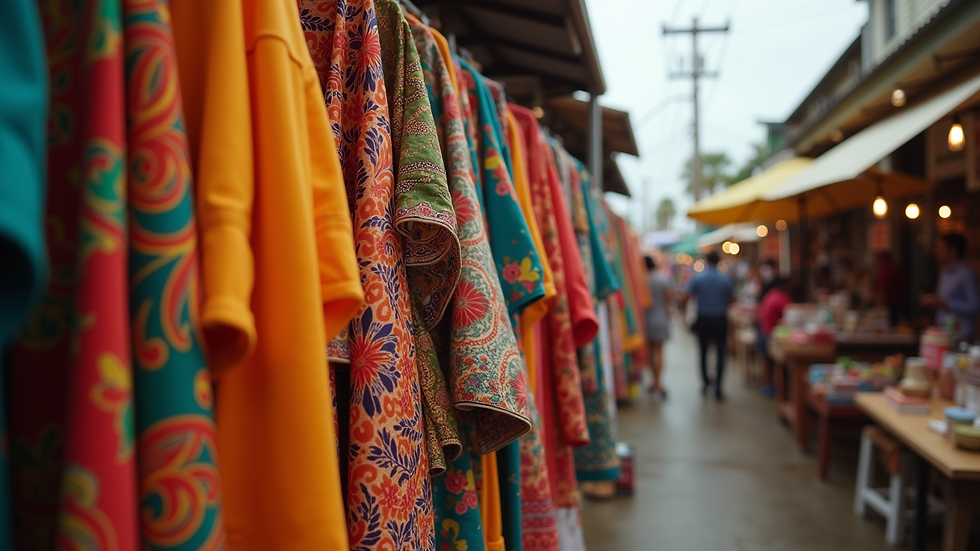
One of the most striking aspects of Gullah heritage is its textiles. The vibrant colors and intricate patterns found in Gullah quilts and garments are now being embraced by contemporary designers. These textiles often feature bold geometric shapes and motifs inspired by African art, making them a popular choice for fashion collections.
For example, designer Dapper Dan, known for his luxury streetwear, has incorporated Gullah-inspired patterns into his collections, celebrating the artistry of this heritage. By doing so, he not only honors the Gullah culture but also introduces it to a broader audience.
Sustainable Fashion Practices
Gullah heritage also emphasizes sustainability, a principle that is increasingly important in today's fashion industry. Many Gullah artisans use natural materials and traditional techniques to create their crafts, promoting eco-friendly practices. This approach aligns with the growing demand for sustainable fashion, as consumers seek to support brands that prioritize ethical production methods.
Designers like Mara Hoffman have taken note of this trend, incorporating sustainable practices into their collections while drawing inspiration from Gullah aesthetics. By highlighting the importance of sustainability, these designers are helping to reshape the fashion landscape.
Celebrating Gullah Artisans
The Role of Artisans in Fashion
Gullah artisans play a vital role in preserving and promoting their culture through fashion. Many of these skilled craftspeople create unique pieces that reflect their heritage, from handwoven baskets to intricately designed clothing. By collaborating with these artisans, fashion designers can create authentic pieces that tell a story.
For instance, Keshia Chante, a designer who collaborates with Gullah artisans, has created a line of clothing that features traditional Gullah patterns and techniques. This partnership not only supports local artisans but also brings Gullah culture to the forefront of modern fashion.
Empowering Communities
Supporting Gullah artisans goes beyond fashion; it empowers communities. By purchasing their crafts and collaborating with them, designers can help sustain local economies and preserve cultural traditions. This approach fosters a sense of pride among artisans and encourages the next generation to continue these practices.
The Impact of Gullah Heritage on Fashion Trends
A Shift Towards Cultural Appreciation
As the fashion industry becomes more aware of cultural appropriation, there is a growing emphasis on cultural appreciation. Designers are increasingly seeking to honor the cultures that inspire their work rather than simply borrowing elements without understanding their significance. Gullah heritage serves as a prime example of this shift, as designers strive to learn about and respect the culture they draw from.
The Rise of Inclusive Fashion
The influence of Gullah heritage is also contributing to the rise of inclusive fashion. As more designers embrace diverse cultural influences, they are creating collections that reflect a broader range of experiences and identities. This inclusivity not only enriches the fashion landscape but also allows consumers to connect with the stories behind the garments they wear.
Conclusion
Gullah heritage is more than just a historical footnote; it is a living, breathing culture that continues to inspire and shape modern fashion. By embracing Gullah traditions, designers are not only creating beautiful pieces but also fostering a deeper understanding of African American history and culture. As we move forward, it is essential to support and celebrate the artisans and communities that keep this heritage alive.
The next time you admire a piece of clothing inspired by Gullah culture, remember the stories and traditions woven into its fabric. Let us continue to honor and uplift Gullah heritage in the world of fashion, ensuring that it remains a vibrant part of our cultural narrative.

Comments